Designing for Inclusion has meant changing classroom planning from reactive fixes to proactive practice. In many schools you saw planning become a discipline that shapes materials, assessments, participation routes, and environments. The shift made inclusive outcomes the result of your choices, not efforts to “fix” students.
The CAST Publishing 2024 guide framed this shift clearly. It paired civil rights and special education law with Universal Design for Learning and practical course decisions. That mix gave IEP teams chapter-end Gathering Room questions to make collaboration concrete and measurable.
You will find this guide useful if you are an educator, IEP team member, administrator, or instructional designer shaping learning experiences. The article ahead will outline the meaning of inclusion, the U.S. right to it, UDL as a planning engine, best practices for content and spaces, barrier-reducing technology, collaboration methods, and a case study showing inclusion in action.
What Inclusion Means in Design and Learning Experiences
Shifting to inclusion meant treating access and participation as design outcomes you planned for. You define inclusion as belonging plus access plus participation. That view moves beyond seat placement and toward intentional choices about materials and routines.
Designing for real people: disability, variability, and belonging
Disability often interacts with environments. Barriers arise when materials are rigid, directions are unclear, or instruction uses a single mode.
Barriers you can remove through better design choices
Remove dense reading piles without alternatives, add captions to media, and create predictable navigation. Offer multiple ways to show mastery instead of one assumed path.
Inclusion as a collective responsibility in classrooms, workplaces, and communities
Inclusion spreads across roles: general and special educators, administrators, families, and students share observations and resources. This prepares students for real work where collaboration and access needs matter.
- Everyday choices: chunk information, sequence tasks, and build routines to lower cognitive load.
- Team reflection: structured questions like the Gathering Room help align goals and evidence of progress.
| Barrier | Simple Fix | Benefit |
|---|---|---|
| Dense text | Provide audio and summaries | Improved comprehension |
| Uncaptioned media | Add captions and transcripts | Access to information |
| One-format assessment | Offer multiple response options | Fair demonstration of learning |
The Educational Right to Inclusion in the United States
Federal law has turned access into a legal expectation, not a goodwill option. The Individuals with Disabilities Education Act (IDEA) and FAPE require that students receive supports tied to the general education curriculum. This made planning a compliance and ethical task.
How special education law shapes access to the general education curriculum
Law linked services and placement to meaningful participation. You planned supports, supplementary aids, and materials so students could join grade-level lessons.
Key IDEA concepts that affect how you plan, teach, and assess
Goals, services, and participation must be documented through the IEP process. You used measurable objectives and listed supports that reduce barriers to learning.
Why court decisions still influence IEP team practices today
Court rulings require teams to justify placement with evidence. Decisions must be individualized and not based on convenience.
Practical meeting questions help translate policy into action. Ask: What barriers existed? What supports will reduce them? How will progress be measured?
| Legal Concept | Classroom Implication | Team Action |
|---|---|---|
| FAPE | Access to grade-level curriculum | Plan supports and monitor progress |
| Least Restrictive Environment | Maximize participation with peers | Use supplementary aids and co-teaching |
| IEP Process | Individualized goals and services | Document supports and review evidence |
Research and resources in the 2024 CAST volume helped teams turn rights-based language into classroom practices. This legal foundation leads naturally to UDL as a practical framework to deliver access without waiting for problems to appear.
Designing for Inclusion with Universal Design for Learning
Universal Design for Learning gives teams a common framework to plan ahead and reduce surprises in classrooms.
How UDL acts as a catalyst in the IEP process
Universal design learning is a research-based framework that helps you anticipate variability and add flexible options before barriers appear.
In practice, UDL gives teams shared language to name barriers, propose supports, and link classroom choices to IEP goals and services. That shared language turned planning into a transparent process.
The inclusive mindset: shifting from “fixing the learner” to designing the environment
When you stop trying to “fix” students, you start designing materials, routines, and assessments that offer access to the same standards.
This shift builds trust with families and reduces last-minute fixes. It also centers students as participants, not as problems to solve.
Providing multiple pathways without lowering expectations
Offer audio plus print, live discussion or structured forums, and written or multimodal demonstrations aligned to the same rubric. These options keep rigor while honoring variability in how students show mastery.
Where universal design, UDL, and inclusive design overlap—and differ
Universal design began in architecture; UDL applies similar principles to learning. Inclusive design centers lived experience and community input. Use each approach where it fits the problem.
For practical tools and chapter guides that helped teams use UDL in IEP meetings, see the universal design learning guide.
Best Practices You Can Apply to Content, Materials, and Spaces
Use clear structure and plain language so students spend energy on learning, not decoding pages. Keep headings consistent and layouts predictable. Short paragraphs and labeled steps help readers skim and return to ideas quickly.
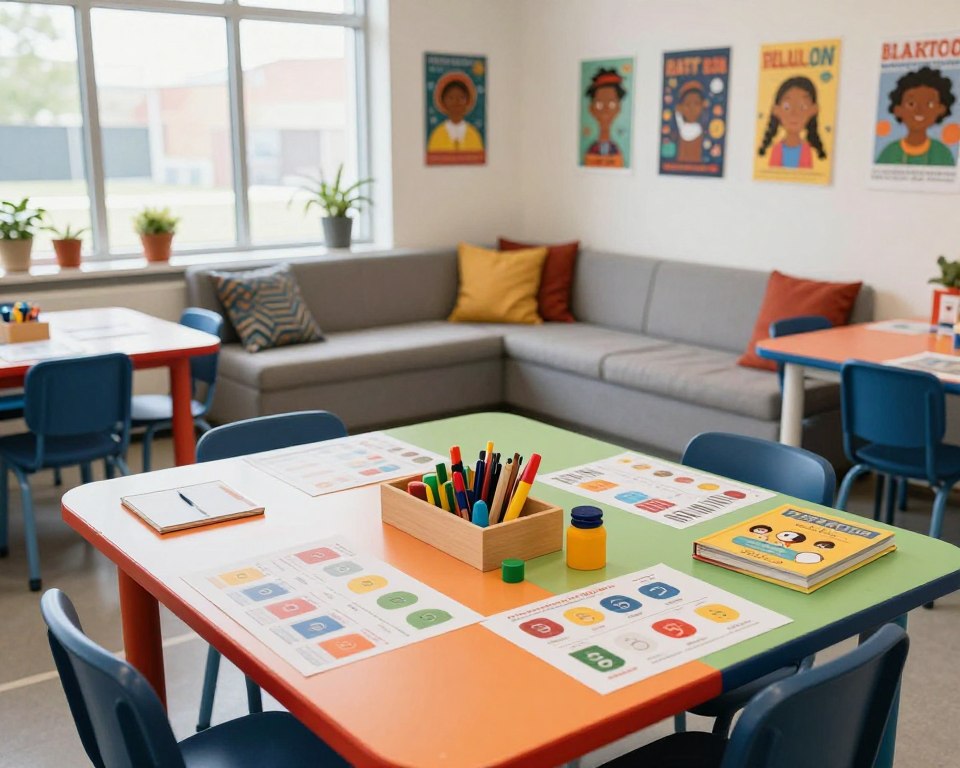
Offer multiple formats. Provide print, ebook, and audio versions of core materials so access does not depend on one medium. The Including All Citizens course used The Marrow Thieves in print, e-book, and audiobook to give students choice and reliable resources at home or on campus.
Build flexible participation options. Let students join via chat, forums, recorded responses, or small groups. Align alternatives to the same expectations so grading stays fair and rigorous.
Design physical and digital spaces to reduce sensory and navigation barriers. Lower sensory load, clarify pathways, and make online modules easy to scan. Intentional representation in texts and media improves relevance and supports diverse experiences.
- Use plain language and consistent headings.
- Provide print, ebook, and audio materials.
- Offer synchronous and asynchronous participation.
- Audit spaces with a simple checklist before each unit.
These practices support multiple means of engagement and representation while keeping academic standards high. Treat access as a design requirement, not an afterthought, to make inclusion real in everyday learning.
Technology and Tools That Improve Access Without Adding Complexity
Simple technology with strong accessibility features makes participation predictable for all students. You should favor tools that enable captions, work with screen readers, and allow full keyboard navigation.
Choosing tools that support captions, screen readers, and keyboard navigation
Evaluate tools against real classroom constraints. Test on district-managed devices and typical home setups. Check caption quality, ARIA support, and whether keyboard-only users can complete tasks.
Planning for “tech down” moments so learning doesn’t stop
Plan simple backup routines before outages occur. In the IAC English 1202 course, Moodle went down during a synchronous week and the schedule shifted. Clear offline instructions and downloadable readings kept students working.
- Low-friction backups: PDFs, emailed assignments, and alternative submission links.
- Predictable process: post a single contingency page with step-by-step offline options.
Supporting digital learning with professional development and resource hubs
Build an internal resource hub with short guides and templates. Make training ongoing, not a one-time rollout. Rhianon E. Gutierrez’s district work shows how sustained support helps teachers enable accessibility features and model inclusive practices.
Accessibility features only matter when they are turned on, taught, and practiced. Keep tools simple, staff trained, and backup plans ready so access is reliable at school and at home.
Collaboration Practices That Strengthen Inclusive Design
When educators trade notes and questions, hidden barriers surface early and get solved. Strong collaboration makes inclusive practice consistent because roles share responsibility instead of acting alone.
Guiding questions that help you gather better information and make better decisions
Use routine questions to collect clear information about strengths, barriers, and preferences. Treat these questions as a simple meeting habit that feeds the planning process.
- What strengths does the student show in this task?
- Which barrier blocked progress and when did it happen?
- What support or resource would change the outcome?
How mentoring improves inclusion for both students and educators
Mentoring roles—modeling, advising, and brokering—help faculty adopt new practices. The IAC case showed instructors mentored in inclusive work, then became mentors to scale change.
Honoring student voice and designing with families
Ask students for quick feedback through surveys or check-ins. Their input reveals stumbling blocks before they become failure points.
Include families as problem-solving partners. Share schedules, tools, and expectations so solutions are realistic and maintain high standards.
“Document decisions, assign ownership, and revisit questions to close the loop.”
Case Study: Building an Inclusive Digital Course With UDL and Critical Pedagogy
A concrete model at Kwantlen Polytechnic University showed that students with intellectual and developmental disabilities can fully join mainstream, for-credit courses without changing academic content.
What the IAC program demonstrated
The Including All Citizens (IAC) program used universal design learning and critical pedagogy to keep standards high. It treated access as integral, not optional.
Flexible pathways and transparent design
The English 1202 course offered asynchronous and synchronous routes. Clear weekly patterns, rubrics, and multiple assignment options let students choose while meeting the same outcomes.
Meaningful curriculum and scaled access
The course theme, “Literatures of Resistance,” centered diverse voices and used zero-cost materials. Offerings in print, e-book, and audiobook reduced barriers and supported learning.
Student feedback and transferable practices
Students valued flexibility and convenience but missed social connection and needed more visual cues. Use these lessons in your work: multiple formats, active mentoring, frequent check-ins, and contingency plans for tech outages.
| Feature | Why it mattered | Transferable action |
|---|---|---|
| Multiple formats | Equal access to content | Provide print/ebook/audio |
| Transparent design | Predictability reduces anxiety | Publish weekly patterns and rubrics |
| Mentoring | Builds relationships | Schedule regular check-ins |
Conclusion
Your work proved that access and participation are outcomes you can plan. Treat design as a measurable step and you help students, including those with disability, join meaningful learning. Research and clear routines made participation predictable instead of accidental.
Use simple design choices across content, materials, and spaces. Pick tools that support accessibility, practice them, and keep a short tech-down plan. These practices keep resources useful and reduce last-minute fixes.
Ask guiding questions and share information through a steady process. That collaboration strengthens decisions, lowers conflict, and improves experiences. Make designing inclusion part of your ongoing work: review evidence, learn from students, and iterate.